




Dingdong's Garden
Basfordiana Willow Cutting
Basfordiana Willow Cutting


Couldn't load pickup availability

Basfordiana Willow (Salix fragilis 'Basfordiana') Cutting
Grower's Notes (Our Experience):
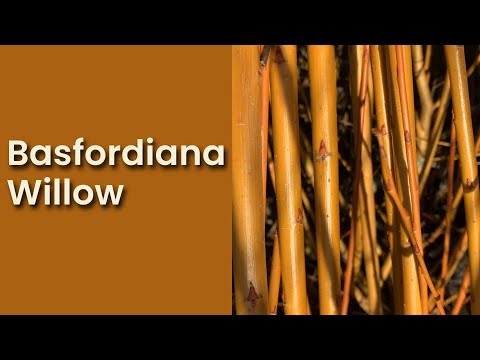
Basfordiana Willow provides striking winter color and serves as an attractive summer hedge. We manage this variety through annual coppicing—cutting the growth back close to the ground each winter—which encourages the development of long, unbranched stems that feature a yellowish-brown color near the tops. Growing aggressively once established from cuttings, this willow does not branch extensively, making its tall stems well-suited for both ornamental landscape color and basketry.
Botanical Specs & Profile:
Salix x fragilis Basfordiana, also known as the Basford Willow, is a deciduous tree or large shrub grown for its colorful winter stems. Left unpruned, it can grow up to 50 feet tall, but it is typically coppiced or pollarded annually to maintain a height of 8 to 10 feet and encourage vibrant yellow-orange young growth. It features long, narrow green leaves in summer and produces yellow catkins in spring. This hardy variety grows rapidly, thrives in full sun, and prefers moist to wet, heavy soils, making it suitable for winter color, screens, bank stabilization, and basketry.
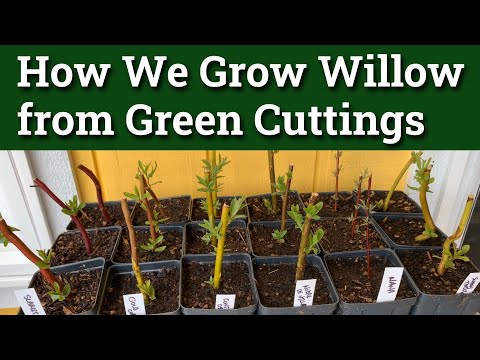
This product is a dormant cutting that will take root, leaf out, and grow if planted under the right conditions. Since plant propagation success rates can vary depending on climate, location, and timing there is no universal recipe for success. If you are new to plant propagation, follow the link on each product page for 'Videos on How to Propagate...'.


